Criminal Defense Lawyer Guide: Legal Rights, Trial Strategies, and Defense Tactics
Introduction
Facing criminal charges is one of the most stressful experiences a person can endure. Whether accused of a misdemeanor or a serious felony, the stakes are high: freedom, reputation, finances, and even family life may be at risk. In such circumstances, a criminal defense lawyer is not just helpful—it is essential.
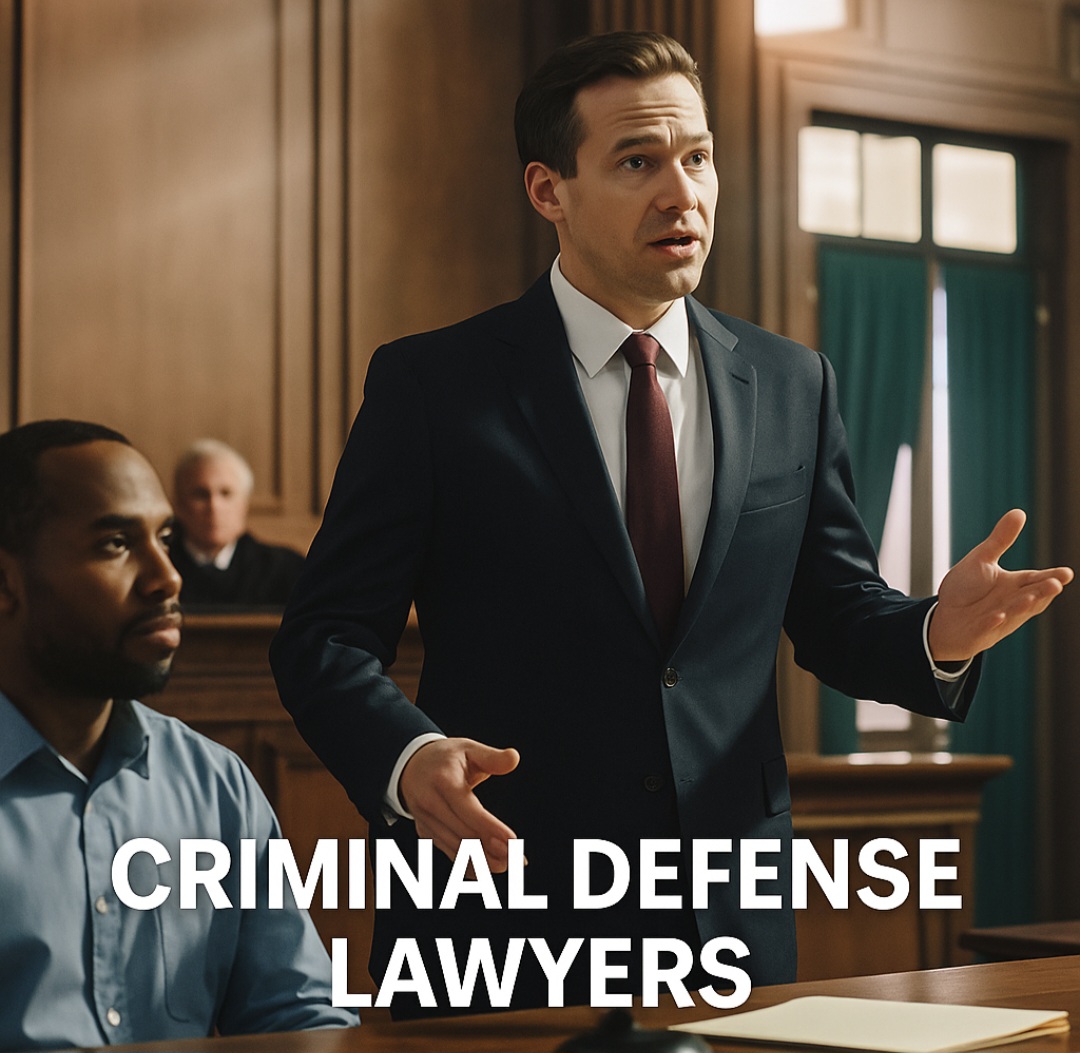
Criminal defense attorneys ensure that clients’ rights are protected, evidence is challenged, and the strongest possible defense is presented. This article explores their role, common defenses, strategies, and why hiring an experienced attorney often makes the difference between conviction and acquittal.
—
The Role of a Criminal Defense Lawyer
A criminal defense lawyer provides more than courtroom representation. Their duties include:
1. Protecting constitutional rights (Fourth, Fifth, and Sixth Amendments).
2. Analyzing evidence for flaws, illegal searches, or unreliable witnesses.
3. Developing defense strategies tailored to each client.
4. Negotiating plea deals with prosecutors to reduce charges or sentencing.
5. Representing clients at trial with cross-examination and persuasive arguments.
6. Filing appeals when convictions are based on legal errors.
—
Common Criminal Cases Handled
DUI/DWI – Driving under the influence of alcohol or drugs.
Drug offenses – Possession, trafficking, or manufacturing.
Assault and battery – Charges of physical violence.
Theft and burglary – Property crimes, from shoplifting to armed robbery.
White-collar crimes – Fraud, embezzlement, money laundering.
Homicide – Manslaughter and murder cases.
Domestic violence – Allegations within family or household settings.
Sex crimes – Rape, sexual assault, child pornography.
—
Building a Strong Defense
1. Challenging the Evidence
Was the search legal? (Fourth Amendment protection).
Were Miranda rights read properly?
Is witness testimony reliable, or biased?
Are forensic tests accurate and admissible?
2. Exploring Legal Defenses
Self-defense in assault cases.
Alibi – proving the accused was elsewhere.
Entrapment – showing law enforcement induced the crime.
Insanity or diminished capacity – rare but sometimes applicable.
Lack of intent – undermining the mental state required for conviction.
3. Negotiating Plea Bargains
Many cases resolve before trial. Skilled defense lawyers negotiate plea deals that may reduce jail time, substitute probation, or lower fines.
—
Trial Strategy and Courtroom Skills
A trial requires careful preparation and sharp advocacy:
Jury selection (voir dire): removing biased jurors.
Opening statements: framing the case persuasively.
Cross-examination: exposing inconsistencies in witness testimony.
Expert witnesses: presenting forensic, psychological, or financial experts.
Closing arguments: summarizing reasonable doubt and weaknesses in the prosecution’s case.
—
Sentencing and Post-Conviction Options
Even after a guilty verdict, defense lawyers fight for fair outcomes:
Sentencing advocacy: presenting mitigating factors (good character, lack of prior record).
Alternative sentencing: probation, rehabilitation programs, or community service.
Appeals: challenging legal errors, improper jury instructions, or unconstitutional rulings.
Expungement or record sealing: helping clients rebuild their lives after serving time.
—
Why Hiring a Criminal Defense Lawyer Is Essential
1. Knowledge of criminal law and procedure.
2. Ability to navigate the legal system quickly and efficiently.
3. Protection against prosecutors and law enforcement overreach.
4. Stronger negotiation leverage in plea discussions.
5. Peace of mind during one of life’s most stressful moments.
—
FAQs
Q: What should I do if I’m arrested?
A: Remain silent, request an attorney immediately, and do not sign anything without legal counsel.
Q: Can a lawyer get charges dropped?
A: It depends on the strength of the case. If evidence was obtained illegally or the prosecution’s case is weak, dismissal is possible.
Q: How much does a criminal defense lawyer cost?
A: Fees vary by complexity—some charge flat rates for misdemeanors, others hourly for felonies.
Q: Do I need a lawyer for a first offense?
A: Yes. Even minor charges can carry long-term consequences if mishandled.
—
Conclusion
A criminal charge can change a life forever, but the right criminal defense lawyer can level the playing field. From suppressing unlawfully obtained evidence to persuading juries with reasonable doubt, defense attorneys serve as guardians of liberty and justice.
If you or someone you know faces criminal charges, do not wait. Consult an experienced defense lawyer immediately to protect your rights, your future, and your freedom.